




Cleaning
How Often Should You Wash Bed Sheets, Towels, and Curtains? A Room-by-Room Schedule
October 20, 2026
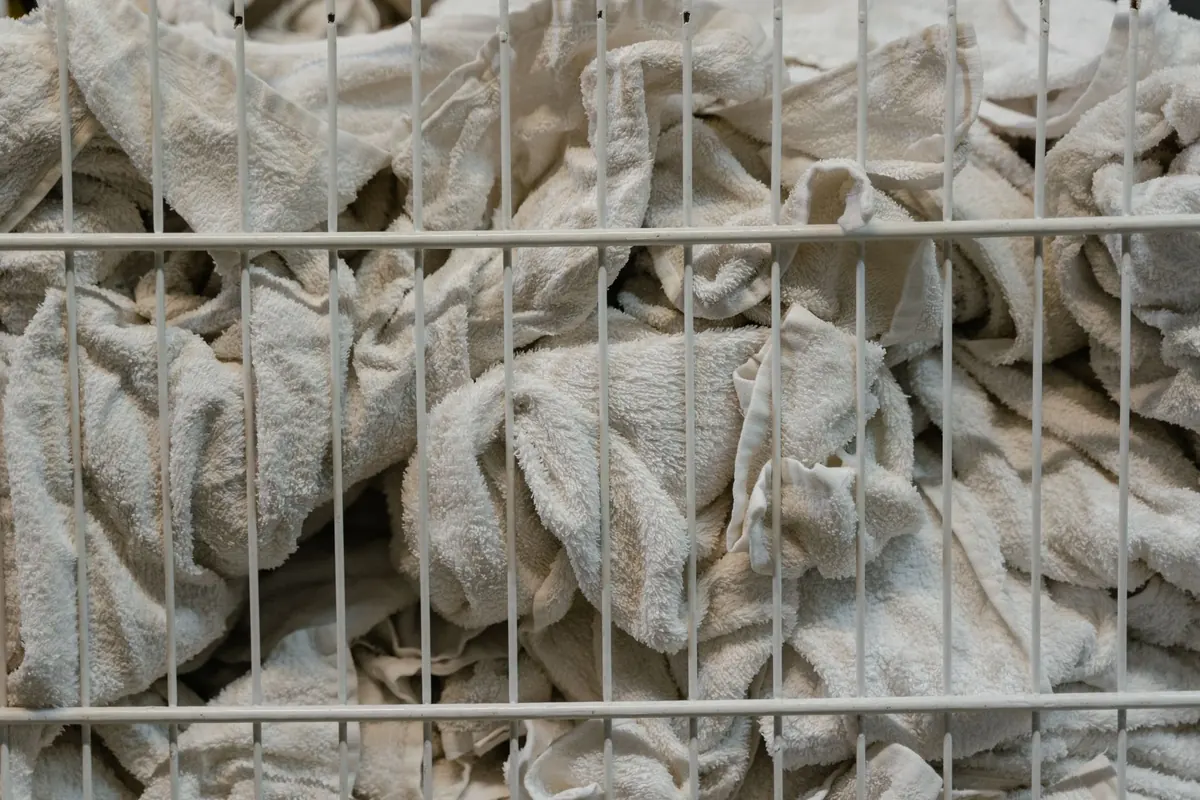
You know the moment. You are making the bed, you turn a pillowcase over, and it has that faint slept-in smell you have been politely ignoring for a week. Or you reach for a bath towel, hold it against your face, and cannot remember whether it made it into the wash after the last three showers. Most of us do not have a linen schedule. We have a vague sense that things should be washed more often, and a habit of dealing with them when the mood strikes.
That is understandable, but it usually means sheet day arrives every three weeks and the curtains have not been taken down since you moved in. What follows is a working schedule, organized by room, with the reasoning behind the numbers so you can adjust them to your own household rather than follow them blindly.
A room-by-room schedule at a glance
If you want one place to start, start here. These intervals suit most households — not the most rigorous standard possible, and not the laziest either.
- Bed sheets: every one to two weeks, weekly if you sweat at night, sleep with pets, or have allergies.
- Pillowcases: weekly, and twice a week if your skin is oily or you use heavy hair products.
- Duvet covers: every two to three weeks.
- Mattress protector: every one to two months.
- Pillows and duvet inserts: two to three times a year, following the care label.
- Bath towels: after three or four uses, and at least once a week.
- Hand towels: every two to three days.
- Bath mats: weekly.
- Shower curtain liner: monthly. Fabric shower curtains: every one to three months.
- Kitchen dish towels: every one to two days, daily if you cook a lot or handle raw meat.
- Aprons and oven mitts: monthly, or whenever they look marked.
- Living room and bedroom curtains: every two to three months.
- Throws and cushion covers: monthly, or every few weeks if the sofa is where everyone lands.
The bedroom: start with the pillowcase
Most people change sheets more often than pillowcases, which is backwards. Your face spends seven or eight hours pressed against that fabric, along with leftover moisturizer, hair oil, and whatever your skin sheds overnight. If you are prone to breakouts, flip to a fresh pillowcase every two or three days and see whether it makes a difference.
For the rest of the bed, weekly is the sensible default. Stretch to two weeks if you shower before bed, sleep alone, and keep the room cool and dry. Shorten it if you sleep hot, if a dog or cat shares the duvet, or if you wake up congested. The single best investment is a second set of sheets: one on the bed, one in the cupboard. Changing them takes three minutes instead of becoming a whole laundry day, and you will do it far more often.
Protectors, inserts and the things we forget
A mattress protector is what stands between an accident and an expensive mattress, so treat it like bedding rather than furniture. Wash it every month or two, and immediately after any spill. Pillows and duvet inserts need attention too — twice a year is plenty for most, but check the care label first, because feather and down behave differently from polyester. Rotate the mattress while the protector is in the machine and you have dealt with two jobs at once.
The bathroom: dry it properly, then wash it
A damp towel left bunched on a hook in a warm bathroom is the ideal environment for that sour, musty smell. The most useful habit is not washing more often but drying better: hang towels spread out, not folded over, and leave the door open or run the extractor fan after a shower. A towel that dries fully between uses stays fresh for three or four showers. One that stays damp smells by day two.
Wash bath towels at least weekly, hand towels every two to three days, and bath mats once a week — more in a shared bathroom or a household with small children. Wash whites and lights on the hottest cycle the fabric allows, which is usually a hot wash of around 60°C, and reserve cooler cycles for colored or delicate items. Skip fabric softener entirely: it coats the fibers, which is exactly why towels stop feeling absorbent after a few months.
Shower curtains are the most neglected item in the room. A fabric curtain can usually go through a gentle cycle with a couple of towels to balance the load, then be rehung while still slightly damp so it hangs straight. Liners with magnets or weighted hems often survive the machine too, but check the label. If yours is vinyl, wipe it down monthly with a cloth and a mild cleaner instead.
The kitchen: the hardest-working cloths in the house
Dish towels and counter cloths get overlooked because they look clean. They are not the same job, though, and they should not be the same cloth. Keep two sets and two colors: one for drying clean dishes and hands, one for wiping counters, spills and the area around the bin. Wash the counter cloths daily and the dish towels every day or two, on a hot cycle. If you have handled raw meat, that cloth goes straight into the machine, not back on the handle.
Aprons and oven mitts deserve a monthly wash, and more often if they are grease-stained. Check whether the filling in your oven mitts is machine washable before you commit — some are spot-clean only, and a ruined mitt is a burned hand waiting to happen.
Curtains, throws and the living room
Curtains collect dust, cooking fumes and pollen, and then hang there releasing it slowly into the room. Two to three months is a reasonable rhythm; once a season is a workable minimum. Between washes, run the upholstery attachment of your vacuum over them every few weeks, and give them a shake when you open the windows.
Before washing, read the label — lined, wool and silk curtains often need a professional, while simple cotton and polyester panels usually manage a gentle cycle. Take down the hooks and rings first, wash in a large load, and rehang while damp so the weight of the fabric pulls out the creases. Throws and cushion covers on a well-used sofa should go in monthly, especially in homes with pets.
What should change your schedule
The intervals above assume a fairly average household. Several things should push you toward the shorter end:
- Pets on the bed or sofa. Wash weekly, and brush the bedding before it goes in the machine.
- Allergies or asthma. Weekly bedding, more frequent curtain washing, and a regular vacuum of soft furnishings.
- Illness in the house. Wash the sick person's towels and bedding separately on a hot cycle, and change hand towels daily.
- Humidity. In a damp flat or a bathroom without ventilation, everything needs washing more often.
- Night sweats, oily skin, heavy moisturizers. Weekly is a floor, not a target.
- Windows open in pollen season, or a smoker in the house. Curtains move up the list considerably.
If someone in the household has a skin condition, asthma, or a compromised immune system, it is worth asking their doctor or a specialist how often bedding and towels should be changed — general advice only goes so far.
Washing habits that keep linens soft and absorbent
Frequency matters less than how you wash. Overloading the machine is the most common mistake: linens need room to move so water and detergent can reach the fibers. Close duvet cover buttons and zip pillow protectors so nothing tangles into a wet knot. Use less detergent than the bottle suggests for a lightly soiled load, because residue is what makes towels stiff and sheets scratchy.
Shake each item out before it goes in the dryer, dry on a low setting, and fold or hang promptly to keep creases down. Line-drying whites in the sun is still the cheapest brightener there is. And if you have just bought new towels, wash them once before the first shower — a good deal of the fluff you see in the drum is loose fiber that would otherwise end up on you.
A schedule you can actually keep
The trick is to stop treating laundry as a series of decisions and start treating it as a rhythm. Pick one fixed day for sheets and towels — Saturday morning works for most people — and let everything else hang off it. Keep two sets of the things you use daily, store them where you change them, and note the last curtain wash on a scrap of paper inside the cupboard door. None of this needs to be perfect. A household where the sheets get changed weekly and the curtains get taken down twice a year is already doing better than most, and it smells better too.
Photo: Tima Miroshnichenko / Pexels
Related posts
More stories you’ll love reading